

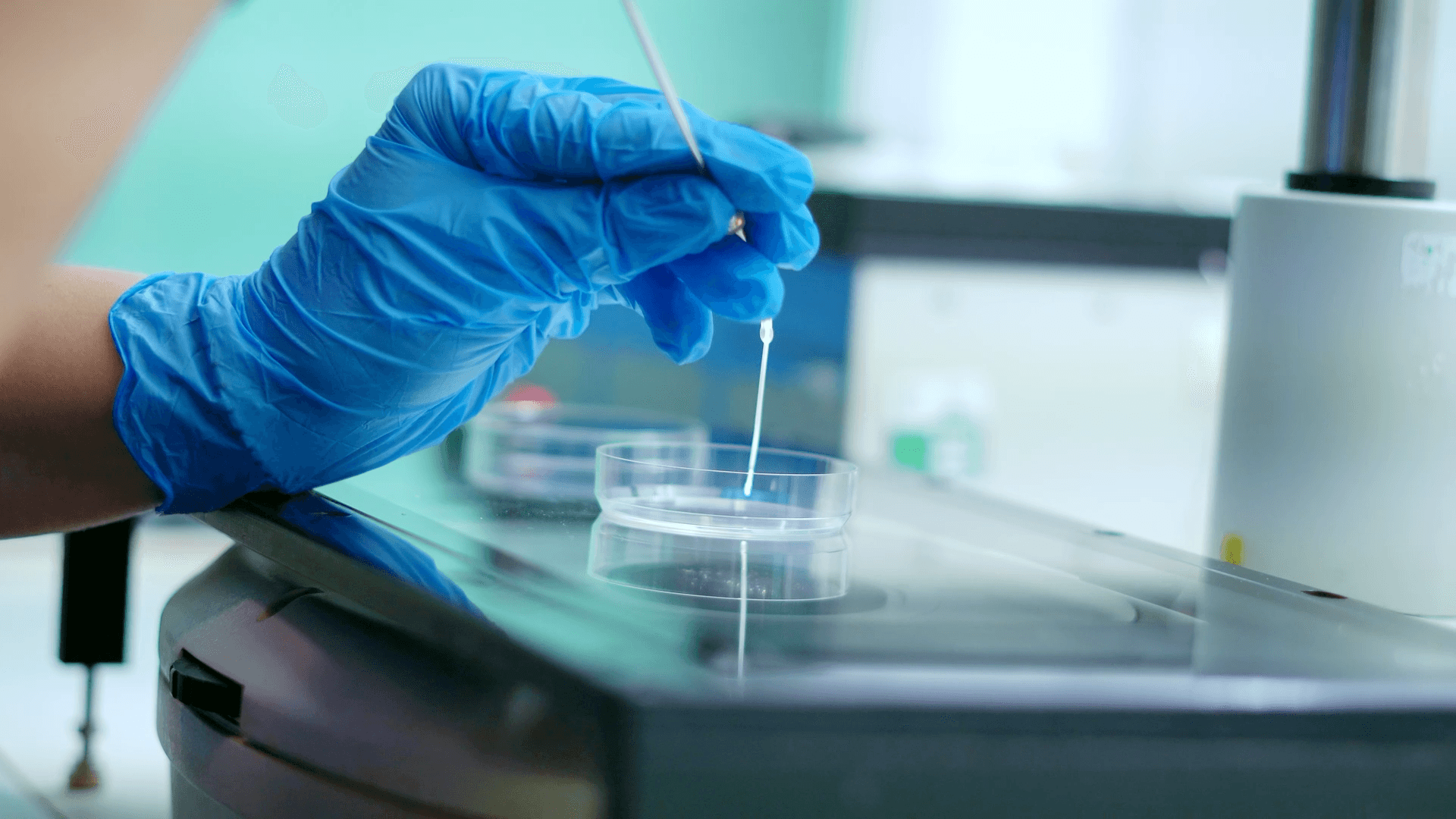
Wondering what happens during egg collection? The process itself is pretty straightforward—the collection itself takes about 20-30 minutes and you can go home on the same day.
And the key to things running smoothly is good, thorough preparation.
Most of this will be handled by your clinic, who will tell you what to do at every step. Whether you’re yet to start your IVF journey or are getting ready for your first collection, here’s exactly what you can expect from egg retrieval.
This is the part of the IVF treatment cycle where eggs are collected from your ovaries. It happens after the stimulation phase, where you take medication that stimulates your ovaries to produce more eggs.
The egg retrieval procedure is nothing to be afraid of: it’s usually quick and straightforward.
But it’s what happens before the procedure that sets you up for success.
Here’s how we would help you prepare for your collection—and what you should do in the days leading up to it.

Egg retrieval needs to happen at exactly the right time: when your eggs are at just the right stage of development.
To make sure we time the procedure perfectly, we continuously monitor what’s happening inside your body during the stimulation phase.
Here’s what that looks like at ARGC. We monitor you daily (sometimes twice) throughout the stimulation phase. This lets us keep an eye on your hormone levels and follicle size, which tells us how well the follicles are growing and when it’s the right time to collect the eggs. We also adjust your treatment as needed, so your medication doses are exactly right for you.
This isn’t routine for IVF treatment; it’s part of our unique approach. And it’s how we make sure your trigger shot is timed precisely for you, based on what your body is telling us.
A trigger shot is exactly what it sounds like: it brings on (“triggers”) the final stage of egg maturation. It’s given about 36 hours before collection.
Timing this shot correctly is crucial: if stimulation goes on for too long, the eggs can become over-mature, which can affect their quality. We also don’t want you to ovulate (releasing the eggs) before we try to collect them.
Because everyone is different, your collection window is unique to you. That’s why we’re open 365 days a year at ARGC: if it’s time to retrieve your eggs, we’ll be open and ready for you.
You shouldn’t eat or drink anything (including water, gum, or mints) from midnight the night before the procedure. This is a safety measure, because you’ll be sedated during the collection. It makes sure your stomach is empty, so there’s no risk of the food coming up and entering your lungs or airway.
We recommend wearing something comfortable and loose-fitting. The procedure rooms can be cool, so it’s a good idea to bring warm socks.
You’ll need to remove any jewellery, contact lenses, and nail polish before sedation.
We encourage you to bring them along for support. They won’t be allowed inside the procedure or recovery rooms with you, but we have a waiting area they’re welcome to stay in.
But if you’re using fresh sperm from a partner to fertilise your eggs, they’ll need to come along on the day to provide a sample. We’d recommend they abstain from ejaculation for 2-3 days ahead of time and fast from midnight the night before. If you’re using donor or frozen sperm, this step is already taken care of.
Egg collection can bring up all sorts of emotions: excitement, hope, nerves, restlessness. But as stimulation draws to a close, really try to wind down and relax.
Try to minimise stress and avoid anything strenuous. We advise pausing your exercise routine from the second week of stimulation (though light walking is fine) and taking the rest you need.
You’ve done everything you can leading up to this point. Your clinic will handle the next part.

Here’s what will happen on the day.
You’ll typically be asked to arrive at the clinic early (at ARGC, we usually ask that you come for about 6:30am) so that there’s time to do the necessary paperwork and checks.
For example, a nurse will monitor your vital signs and take a blood sample to check your progesterone. This hormone helps prepare the uterus for pregnancy, so it’s important we understand where your levels are at. We’ll also use this information to tailor your medication dose for after the procedure (more on this below).
Once it’s time, you’ll lie down on the examination bed and be put under sedation, a light form of general anaesthesia. You’ll be asleep and relaxed, but breathing on your own. You won’t feel any pain.
The eggs are collected using a transvaginal ultrasound method. The ultrasound probe is soft and gentle. It’s used to guide a thin needle, which is inserted through the vaginal wall, to collect the eggs from your ovaries. The needle goes into the follicles to retrieve the eggs inside. Again, you won’t feel any of this happening.
In total, this part takes about 20-30 minutes.
After the procedure is finished, you’ll rest at the clinic for about an hour. You might feel a bit groggy from the anesthesia or have some light cramping. Don’t worry, this is normal. Our nurses will be on hand to offer painkillers and check up on you until you’re ready to go home.
The nurses will monitor your vital signs, offer you some light refreshments, and help you manage any discomfort you’re feeling. They will tell you how many eggs were collected before you leave.
You won’t be able to drive after being sedated, so make sure there’s someone to take you home. Ideally, they will be able to stay with you for a while, as you might feel a bit dizzy or foggy-headed.
Most people need to rest for at least 24 hours after egg collection. Be sure to drink plenty of water and eat light, salty snacks (this helps manage your body’s fluid balance). Avoid strenuous exercise, hot baths, swimming, and intimacy for about a week after the procedure. Light walking the following day is fine.
Once you’re home, really focus on resting. Make yourself comfortable: stock up on pillows and blankets, queue up your favourite shows, and settle in with plenty of snacks and water.
Most people will, yes. You’ll usually start taking progesterone support immediately after egg retrieval, even if you are freezing your eggs. This is to help your uterine lining recover.
If you’re freezing your eggs, we will taper your dose over the course of a few days to help ease any side effects and make the return of your period more comfortable.

It's normal to have some discomfort after egg collection. Mild cramping and bloating, as well as queasiness or dizziness, are common.
If you are having symptoms, speak to your doctor. They may suggest taking a painkiller. You may also be able to ease your discomfort by:
If you’re worried about your symptoms, are having unusual or increasing pain, or are experiencing severe discomfort, contact your clinic. It could be nothing to worry about, but it’s always worth checking to be safe.
Contact your clinic immediately if you are experiencing severe pain, heavy bleeding, high temperature, difficulty peeing, significant bloating, or shortness of breath. Our patients can always contact us on our emergency line. If for whatever reason, you can’t reach your clinic—call 999.
But it’s not just your body that needs looking after now—your mind does, too. After the collection, the lab will be in touch to update you on how the eggs are developing. But we know this wait can feel painfully long.
Try to be gentle with yourself in the meantime. Distractions help: a familiar film, a phone call with someone who knows what you're going through, an early night. And remember that we're only a phone call away—if something is worrying you, however small, please get in touch.
It depends on whether you’re having a fresh transfer or freezing your eggs.
If it’s the former, your eggs will be taken to the lab right away to be fertilised. An embryologist will contact you the day after collection to let you know how many were fertilised successfully.
After that, you’ll receive regular updates on how the embryo is developing. We’ll let you know when it’s the right time to transfer the embryo into your womb.
If you’re freezing your eggs, we’ll tell you when the process is complete.
We’ll be right there with you at every step of your journey. We are always on hand: we will give you clear advice based on what your body is telling us and are open every single day, if you need to come in.
Wondering whether ARGC is right for you? Our advisory calls are free, no-obligation, and led by someone who can answer your specific questions about treatment, costs, and what to expect. Book a call to get started.

Monica Karpinski is a health and science writer specialising in women's health. She has previously written for Stylist, Reader's Digest, the New Statesman Media Group, and more.

 What is egg retrieval in IVF?