


Written by
Monica Karpinski

Medically reviewed by
Kelda Gould
Fertility Nurse • BN in Adult Nursing
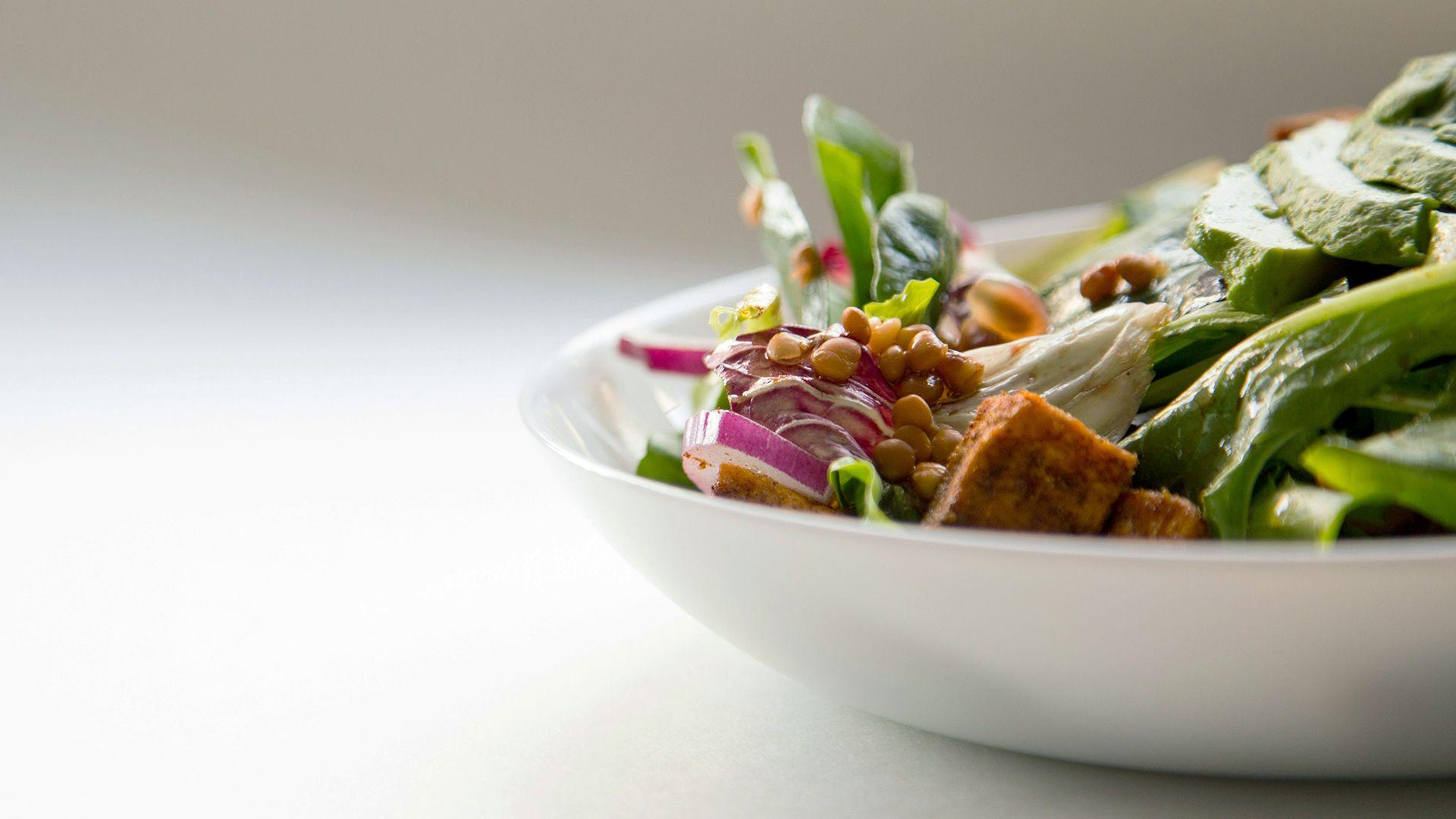
Let’s get this out of the way first: there is no such thing as an “IVF diet”. That is, there’s no single, specific diet that’s clinically recommended for people doing IVF.
But what you eat still matters. Certain foods are good for your health and can help support your fertility. And others may have the opposite effect.
Here’s the lowdown on what to eat, and avoid, during IVF treatment.
There’s a growing body of research exploring the link between food and fertility. And generally speaking, healthy and balanced diets are linked to better fertility in men and women.
So, what does a healthy, balanced diet look like? One that favours lean protein (fish, poultry, plant protein sources), whole grains, fruits and vegetables, and unsaturated fats (like olive oil). We’ve covered this in more detail below.
Eating well supports your body to function at its best. It can help keep your hormone levels in balance, support development of healthy eggs, and improve semen quality. Plus, it can also help you maintain a healthy weight, which is linked to improved fertility as well.
Remember: Ask your clinic if you’re not sure what to eat or avoid. They are there to help you.
Let’s take a closer look at the foods that make up a healthy diet.
Good to know: If you are planning to make any changes to your diet ahead of IVF, we recommend doing so around 3-6 months before you start treatment.
That’s because it can take time for these changes to have an effect. But it also gives your body time to adjust gradually, rather than making sudden or extreme changes. This can stress the body, which may affect your hormone levels, as well as egg and sperm quality.
You could think of protein as your body’s building blocks. It’s vital for growing healthy cells, including those in your eggs. When you have IVF treatment with us, we usually ask you to include protein with each meal: whether that’s eggs for breakfast, snacking on nuts, or putting some lentils in your dinner.
Does it matter which type of protein you eat? Some studies suggest that eating plant-based protein is better for fertility. However, what matters most is that your diet is balanced and nutritious. Animal protein can be part of a healthy diet.
Watch out: While red meats are a good source of protein, they can also be high in saturated (“unhealthy”) fat and may also contain environmental contaminants. Lean sources of protein are generally recommended, like fish or poultry. But if you are going to eat any animal protein during fertility treatment, including poultry, fish, or red meat, make sure it’s cooked thoroughly.
Sources of protein: Chickpeas, lentils, almonds, chicken, turkey, white-fleshed fish (like cod, haddock, grouper, halibut), salmon, shrimp, beans, tofu, egg whites, peas, tempeh, flaxseed, chia seeds, pumpkin seeds, plain Greek yogurt
We recommend opting for healthy fats, a.k.a unsaturated fats, as part of a balanced diet. Olive oil, plus foods like avocados, nuts, and oily fish all contain unsaturated fats.
Healthy fats, especially omega-3 fatty acids, can support hormone health and may reduce inflammation. They have also been shown to improve sperm health and female fertility.
Sources of healthy fats: Chia seeds, nuts (almonds, walnuts, cashews, Brazil nuts, hazelnuts, macadamia nuts), avocados, oily fish (salmon, sardines), eggs, sesame seeds, flaxseed, sunflower seeds, pumpkin seeds
Adding 1-2 tablespoons of chia seeds to your daily diet is a great source of omega-3, fibre, and antioxidants.
It’s important to keep your iron within a healthy range when going through fertility treatment. Iron is core to your overall health and wellness: it makes sure that oxygen is delivered to all your organs and tissues.
There’s studies linking iron deficiency with infertility and a lower chance of success when going through fertility treatment. Though we’re still trying to understand the relationship between iron and fertility.
Plus, iron deficiency can make you tired. You want to make sure you’ve got enough energy to handle the physical demands of IVF.
Note: When you have fertility treatment with us, we will test your iron levels right at the start. If it’s appropriate, your doctor might recommend iron supplementation.
Sources of iron: Leafy green vegetables (beet greens, Swiss chard), lentils, sardines, lean red meats (beef, lamb), chickpeas, black beans, tofu, tempeh, fortified breakfast cereals, whole grains (spelt, quinoa, oats)
Antioxidants are compounds within food that can prevent reactive molecules (called free radicals) from causing damage to healthy cells. This damage, which is called oxidative stress, has been linked to infertility. Studies show that free radicals can cause damage to eggs, which may then affect fertilisation and embryo development.
We generally suggest eating foods rich in antioxidants during IVF. And depending on your situation, we may recommend specific preconception supplements, like CoQ10. For instance, we may advise people with PMOS (this is the new name for PCOS) to take CoQ10, to support follicular health, hormone balance, and improve egg quality.
Speak with your doctor before trying any new supplements. They will confirm whether they’re safe for you to take.
Sources of antioxidants: Fresh berries (blueberries, blackberries, strawberries, raspberries), red apples, cranberries, sweet cherries, dark leafy greens (broccoli, spinach), carrots, beetroots, nuts and seeds, nutritional yeast
All women trying to conceive are advised to take 400mcg of folic acid, the synthetic form of folate, every day. This can reduce the risk of the baby being born with spina bifida, along with other problems like cleft lip. It’s difficult to get enough folate from your diet, so it’s recommended that you take a daily supplement.
By the way: folate is another name for vitamin B9.
Sources of folate: Spinach, asparagus, broccoli, kale, cauliflower, beans and legumes (chickpeas, kidney beans, mung beans), beetroot, cassava, eggs, nuts (peanuts, hazelnuts), seeds (sunflower seeds, flaxseeds), crab
Zinc is crucial to egg and sperm development, plus other key bodily processes related to fertility and pregnancy. During fertility treatment, we may recommend both zinc supplements and incorporating zinc-rich foods into your diet.
If you’re taking zinc to support your sperm health, it’s advised to start taking it around 2-3 months before starting IVF. That’s because sperm takes about 2-3 months to develop.
Sources of zinc: Wholegrains, legumes (lentils, chickpeas, black beans), almonds, peanuts, seeds (sesame seeds, sunflower seeds), nutritional yeast, spinach, courgette, asparagus, turkey, lamb, chicken
This diet is talked about a lot in relation to fertility. Though it’s more of an approach to healthy eating rather than a strict set of rules to follow.
Here’s how it looks:
There’s research linking the Mediterranean diet with improved egg quality and fertility more broadly. Some studies have even shown that people following this diet were more likely to get pregnant from IVF.
We encourage the Mediterranean diet here at ARGC. It incorporates the healthy foods and nutrients we mentioned above that may support fertility: fresh fruit and vegetables, lean protein, opting for healthy fats. And it also leaves out foods which we wouldn’t recommend during fertility treatment.
That brings us to foods we advise steering clear of while having IVF.
We strongly advise that you avoid alcohol entirely while doing IVF. It can have a negative effect on both egg and sperm quality, interact with fertility medicines, and disrupt the process of embryo implantation.
Studies have found that even a few alcoholic drinks per week, or just one per day, can decrease your chances of success with IVF.
UK guidance says that if you’re planning to get pregnant, it’s best to not drink any alcohol at all to minimise risks to the baby.
You can still enjoy a cup of tea or coffee while doing IVF. But try not to have more than one coffee, or two cups of tea, per day.
This is because having too much caffeine can have a small, yet negative impact on fertility. It may reduce egg and sperm quality as well as potentially impacting hormone levels.
Saturated fats (also called “unhealthy fats”) have been linked to lower sperm quality and an increased risk of metabolic disorders, which can have a negative impact on fertility. These fats are usually solid at room temperature: think palm or coconut oil, butter or lard.
We advise swapping them out for healthy fats, like olive oil, nuts, and avocados. These fats work to support hormonal health and are much better for you in general.
There’s sugar that is naturally found in foods like fruit and vegetables, and sugar that’s added to food as it’s being processed. The latter is called added sugar.
These sugars are broken down by the body quickly. They can give you a boost of energy (a sugar rush) without filling you up: they don’t give you any real nutritional value.
Having too much added sugar is bad for you generally. It can increase your risk of diseases like diabetes and heart problems. But it can also mess with your hormone levels and may negatively affect your fertility.
Plus, these foods can make it harder to maintain a healthy weight, which is known to help with fertility.
You don’t need to give up your favourite sweet treats entirely during IVF. Just enjoy them in moderation. And just be aware that chocolate contains caffeine (though much less than in tea or coffee), so it can count towards your daily intake.
It’s so important to look after yourself while doing IVF. Nourishing yourself with healthy foods helps support your body and mind, while improving your chances of success.
We offer nutritional advice as part of your care here at ARGC. Our approach to fertility treatment is to control every factor that we can, that could influence your success. For instance, we do daily blood tests and regular scans during treatment, to monitor your progress. We can then make adjustments to your plan as needed, in real-time.
We’ll be there to support you at every step, from your initial consultation through to your first trimester.
Wondering whether ARGC is right for you? Our advisory calls are free, no-obligation, and handled by someone who can answer your specific questions about treatment, costs, and what to expect. Book a call to get started.
Fertility Nurse • BN in Adult Nursing
Kelda Gould is a Registered Nurse specialising in fertility care. She holds a degree in Biochemistry and has over a decade of clinical experience spanning general nursing, outpatients, first response, and fertility care.

 How does diet affect fertility?